TikTok vs YouTube Shorts: Which Platform Should You Launch Your Product On?
When creators ask us about TikTok vs YouTube Shorts for a product launch, they're usually asking the wrong question. The real question isn't "which is better?" It's "which audience am I actually trying to reach — and which distribution model serves that launch?"
Understanding What You're Actually Choosing
We've watched brands succeed on both. We've watched the same brands fail when they copy-pasted the same strategy across both platforms and expected identical results. The platforms look similar on the surface. Under the hood, they're built on entirely different mechanics.
How the Algorithms Work Differently
TikTok: Discovery-First
TikTok's algorithm is built to push content to people who don't follow you yet. The For You Page is the default destination, and the platform uses early engagement signals — watch time, replays, shares — to decide how far to push a video. A new account with zero followers can go viral on the first post.
This makes TikTok the superior platform for cold product discovery. If nobody knows your product exists, TikTok is where that changes fastest.
YouTube Shorts: Intent-Adjacent Discovery
YouTube Shorts operates inside an ecosystem where people already have intent. They came to YouTube to learn something, watch something, or research something. Shorts live alongside that intent. They also benefit from YouTube's search indexing — a Short can be found through search weeks or months after posting.
This makes YouTube Shorts better for products with an explanation requirement. If someone has to understand why they need it before they want it, Shorts in a search context helps you reach people who are already partway there.
Audience Demographics: Who's Actually Watching
We've seen the demographic gap play out in conversion data repeatedly. TikTok skews younger — 18 to 34 is the core buying demographic there, and impulse purchase behavior is strong. The frictionless TikTok Shop integration compounds that.
YouTube Shorts pulls from YouTube's existing user base, which runs older and more research-oriented. The viewer is more likely to click through to a product page, read descriptions, and compare before buying. Lower impulse, higher intent.
Neither is better. They're different stages of a buyer's journey.
Content That Works on Each Platform
What Wins on TikTok
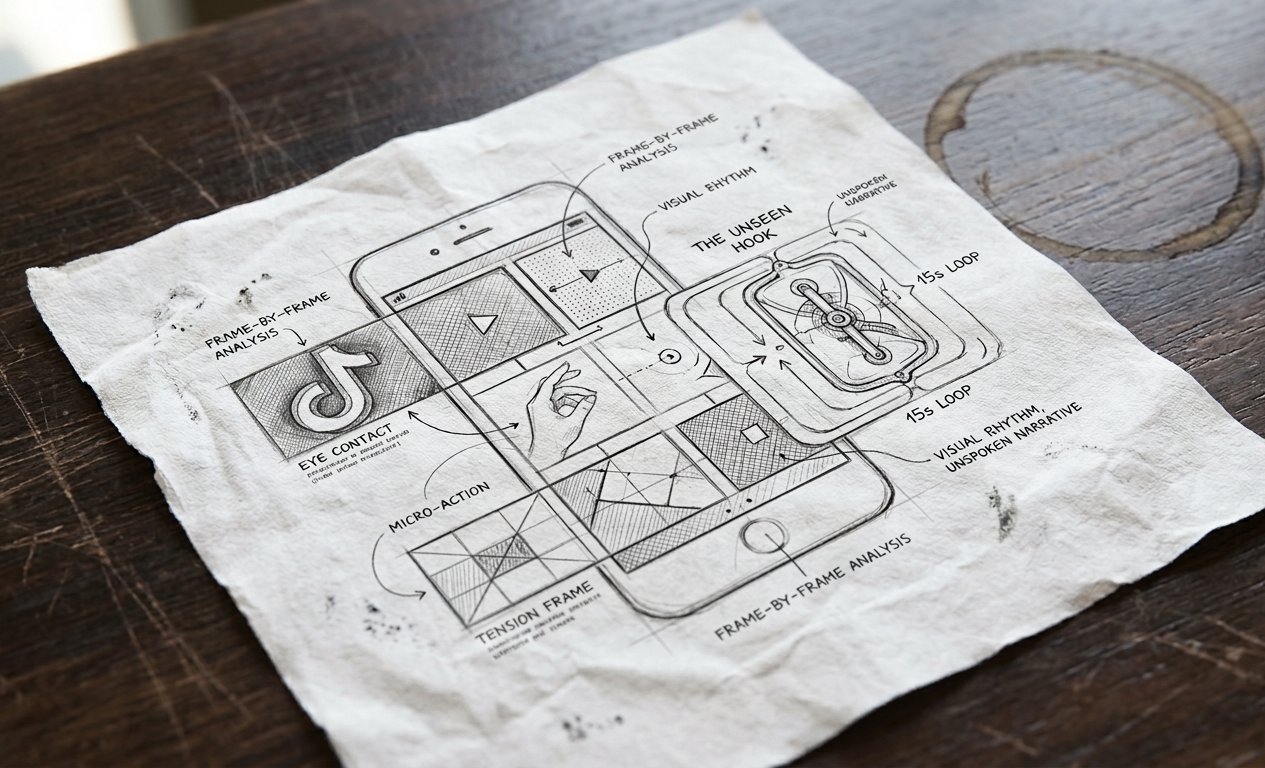
Fast. Emotionally resonant. Visually disruptive from the first frame. We've consistently seen that the content beating the algorithm on TikTok opens with something the viewer didn't expect to see — a visual pattern interrupt that breaks autopilot scrolling before a word is spoken.
For product content, that means a striking visual opener — a newspaper headline reveal of your product claim, a press-coverage animation, a magazine cutout aesthetic — followed immediately by a hook that speaks to a felt problem. We explored the mechanics of this in depth in The 3-Second Rule That Separates Viral Clips from Dead Content.
What Wins on YouTube Shorts
Cleaner structure. A clear premise established in the first five seconds. Shorts viewers are slightly more patient — they came to YouTube with purpose, and a Short that delivers on a clear promise holds them. Educational product content, comparisons, and "here's what I discovered" formats perform well.
Visual identity still matters. A consistent aesthetic across your Shorts library builds recognition inside the YouTube ecosystem faster than variety does.
The Case for Launching on Both — With a Strategy
The creators we've watched build fastest aren't choosing between TikTok and YouTube Shorts. They're using both with clear intent: TikTok for discovery, YouTube Shorts for search residual.
One asset, adjusted for each format. The TikTok version leads harder on the visual hook and moves faster. The YouTube version opens with a searchable premise and delivers a slightly more structured payoff.
Paper Animation exports in MP4 and GIF — one visual asset drops cleanly into either timeline. The newspaper overlay opener, the press coverage reveal, the animated headline — all of it works on both platforms because texture creates pause, regardless of which algorithm you're feeding.
For more on building a visual identity that compounds across platforms, read The Oldest Aesthetic Online Is Getting Creators More Views Right Now.
The One Decision Framework That Simplifies Everything
If you have to pick one platform to start: pick based on your product's explanation requirement.
No explanation needed (the product is immediately desirable once seen) → Start on TikTok.
Explanation needed (the buyer needs context to understand the value) → Start on YouTube Shorts.
Then build the other platform in parallel as your content system matures.